A Very Brief History of Tattoo
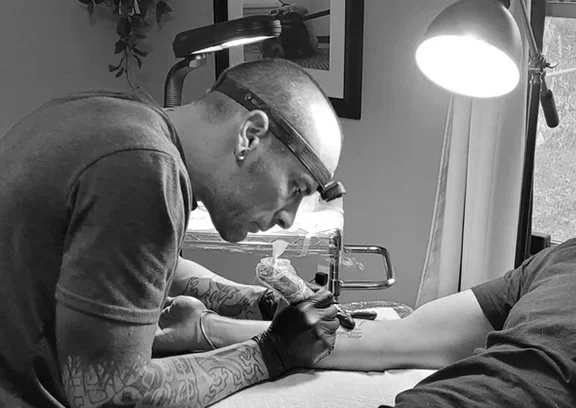
Tattoos have been a part of human culture for thousands of years, serving as symbols of identity, spirituality, status, and personal expression. Long before modern tattoo machines and studios existed, ancient civilizations practiced tattooing using natural pigments and handmade tools. Archaeological evidence suggests that tattooing is one of the oldest art forms in human history, deeply rooted in ritual and tradition.
One of the earliest known examples of tattooing comes from Ötzi the Iceman, a naturally preserved mummy dating back over 5,000 years. His body bears a series of simple line and dot tattoos, believed by researchers to have had therapeutic or medicinal purposes rather than decorative ones. This discovery highlights that tattoos were not only aesthetic but also functional in early societies.
In ancient Egypt, tattoos held spiritual and social significance, particularly among women. Mummies dating back to around 2000 BCE show intricate tattoo patterns that may have been associated with fertility, protection, or religious devotion. Similarly, indigenous cultures across Polynesia, including the Māori and Samoans, developed highly complex tattoo traditions where designs communicated genealogy, rank, and personal achievements.
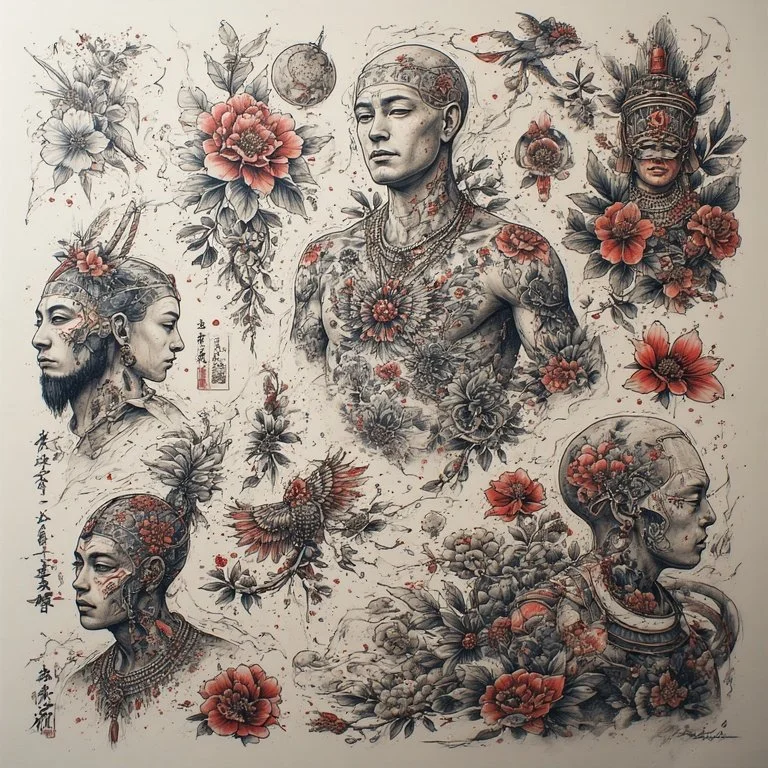
Tattooing also played an important role in ancient Asia. In Japan, early tattoos were used for spiritual symbolism but later became associated with punishment and criminality. Over time, Japanese tattooing evolved into the elaborate art of irezumi, characterized by large, detailed designs featuring mythological creatures, flowers, and warriors. Despite periods of stigma, irezumi remains one of the most respected tattoo styles in the world.
In Europe, tattoos were practiced by ancient Greeks and Romans, often used to mark slaves, criminals, or soldiers. However, tattooing largely faded from mainstream European culture until the Age of Exploration. Sailors traveling to the Pacific encountered indigenous tattoo traditions and brought the practice back home, where tattoos became associated with seafaring life, adventure, and global exploration.
The invention of the electric tattoo machine in the late 19th century transformed tattooing into a more accessible and standardized practice. Tattoos grew in popularity throughout the 20th century, particularly among soldiers, bikers, and countercultural movements. Over time, social perceptions shifted, and tattooing gradually entered the mainstream.
Today, tattoos are widely accepted as a form of personal expression and fine art. Modern tattoo artists blend traditional techniques with contemporary styles, pushing creative boundaries while honoring the craft’s ancient roots. From sacred rituals to modern self-expression, the history of tattooing reflects humanity’s enduring desire to mark the body with meaning, memory, and identity.
House of Ink Tattoo Studio invites you to reach out anytime to schedule a consult or make an appointment for your tattoo ritual today: